
Mesa mold remediation
Mold remediation in Mesa, AZ
A recurring stain or musty area deserves a moisture investigation. Paul Davis Greater Phoenix helps Mesa owners organize the known history, assess the affected materials and plan remediation around the underlying problem.
Call for urgent damage. Online requests are non-urgent.
A clearer starting point
- Record the moisture history before another repair.
- Avoid disturbing suspected hidden growth.
- Connect remediation with source correction.
Look beyond the surface
Start with the pattern you have noticed.
An assessment becomes more useful when the team knows what happened before the visible problem. Report observations without trying to name a mold type.
A recurring stain or odor
Describe where staining or odor reappears and how soon it returned after previous cleaning or repair. Share dates and photographs if you have them.
A known water event
Mention plumbing leaks, roof intrusion, appliance failures or earlier water damage. Provide repair records and note whether the source was confirmed or remained uncertain.
A change in the room
Explain recent flooring, cabinet or wall-finish work and any spaces that cannot be accessed. These details help frame questions for the assessment without proving a cause.
Investigate before replacing finishes
Turn a recurring concern into defined decisions.
Open each stage to see what the assessment should clarify. Color, smell or a photograph alone cannot establish the complete scope.
Choose a stage to exploreHistory
Collect what is already known.
Bring observations and earlier repairs into one account.
Write down affected locations, dates and who completed earlier work. Tell the team which conclusions came from a professional assessment and which are your own observations.
Assessment
Agree on the investigation approach.
Define the affected area and any access needed.
Ask what the proposed assessment can establish, whether concealed areas require access and how new findings will be documented. Discuss testing only if it answers a specific unresolved question.
Resolution
Connect cleanup, repair and follow-up.
Keep the moisture issue in the project through completion.
Review remaining source repairs, the remediation findings and any finish work still needed. Keep a record of what to monitor and whom to contact if the original concern returns.
A recurring surface problem deserves a documented explanation of the moisture conditions behind it.
Resolve the cause
Pair the remediation scope with the moisture repair.
The affected materials
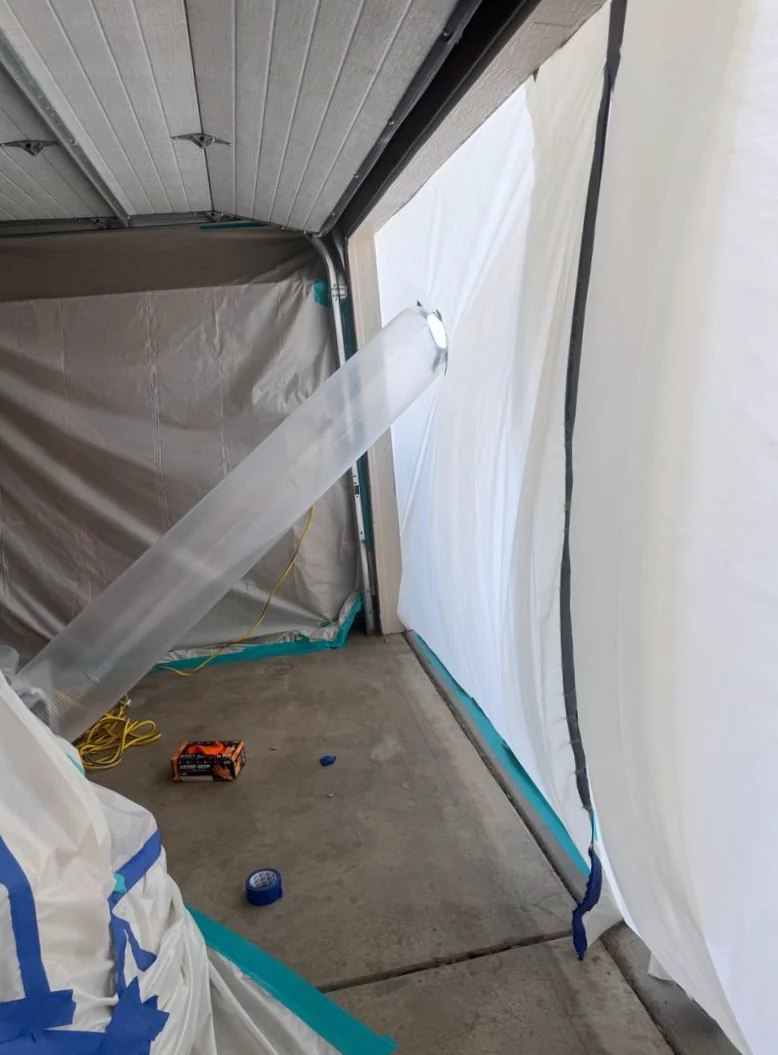
The material matters: some hard surfaces can be cleaned, while mold-affected porous materials may require removal. Review the proposed work-area protection, treatment of affected items and condition check with the project contact.
The moisture source
Identify who will address the plumbing, roof, condensation or other confirmed issue. Keep unresolved source questions visible and ask how repair findings will be shared with the remediation team.
Useful answers
Before the next step.
Do I need a mold test before calling?
No. EPA says sampling is usually unnecessary when visible mold is present. Describe your concerns and ask whether testing would answer a specific question. A test does not replace correcting the moisture problem.
Does a musty smell prove hidden mold?
It is a reason to investigate, not a complete diagnosis. Share the location, history and any known water damage. The assessment should explain what is confirmed and what requires further investigation.
Will remediation prevent mold from ever returning?
No responsible plan can promise that future moisture will never occur. Review how the current source is being corrected and what follow-up is appropriate. Address new leaks or recurring moisture concerns promptly.
Can Paul Davis assess a concern after an old leak?
Call 602-278-8837 with the Mesa address and the repair history. Explain whether the area is currently wet and what you have observed. Use the contact form for a nonurgent request.
Paul Davis · Greater Phoenix
Let’s talk about
your property.
Tell us what happened. We’ll discuss the restoration help you need and the next step.
Call for urgent damage. Online requests are non-urgent.