
Property owner guide · Moisture and mold
Signs of mold in your Phoenix home
A musty room, recurring stain or damp cabinet deserves a closer look. Start with the moisture history, understand what each sign can tell you and choose the next step without guessing about health or mold type.
Call for urgent damage. Online requests are non-urgent.
Keep these three things in mind
- Visible growth, musty odors and persistent moisture warrant attention.
- Color, a stain or symptoms alone cannot establish the full problem.
- Visible mold usually does not need sampling before cleanup is considered.
What to look for
Read the signs alongside the moisture history
The useful question is what changed in the room and when. A description of the conditions is more helpful than a guess about a mold species.
Visible spots or growth
Record the location and approximate extent without touching it. Note whether it appears on a washable surface, drywall, cabinetry or another material. Different materials can require different cleanup decisions.
A persistent musty odor
Note where it is strongest and whether it follows rain, plumbing use or cooling-system operation. An odor can prompt investigation, but it cannot identify the source or extent on its own.
Repeated stains or softened finishes
A returning ceiling ring, swollen baseboard or bubbling paint is a reason to investigate moisture. These observations do not prove mold. Save dated photographs showing whether the condition is changing.
Dampness that keeps coming back
Check the history of leaks, overflow, condensation or incomplete drying. Phoenix’s outdoor climate does not establish whether a cabinet, wall cavity or other indoor material is dry.
Follow the evidence
From a warning sign to a clear plan
Each stage answers a different question. Open a stage to see what to discuss.
Choose a stage to exploreObserve
What changed?
Describe the sign without diagnosing it.
Bring photographs, location, approximate extent and timing. A mark recurring after a fixture is used is useful context to investigate, not a diagnosis.
Investigate
What remains unknown?
Agree on what needs to be assessed.
Clarify access needs and whether plumbing, roofing or mechanical evaluation is required. Ask how the findings will distinguish moisture concerns from cosmetic staining.
Address
What work is justified?
Review the proposed scope and its boundaries.
Confirm affected materials, occupant arrangements and responsibility for the source. Identify included tasks and those requiring a separate authorization.
Verify
What will be checked afterward?
Agree on the closeout evidence.
Review completed work, remaining repairs and follow-up. Raise unresolved moisture or odor concerns with the project contact before closing the issue.
The goal is to understand and address the moisture problem and affected materials. A color label or a single test result cannot do that work alone.
Prepare for an assessment
Make a useful moisture history
You do not need a diagnosis before calling. A few accurate observations help frame the assessment.
Identify the room and surface
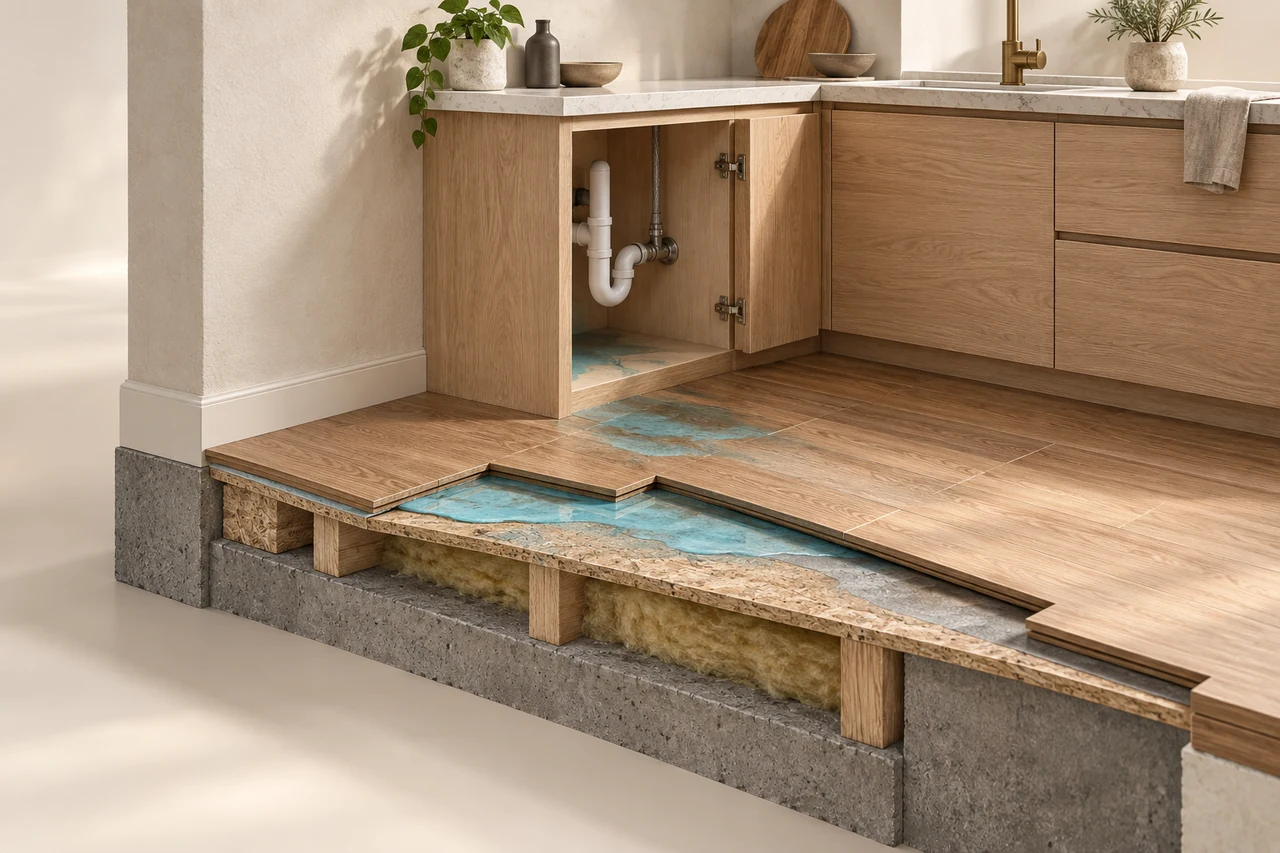
For example: the lower cabinet beneath the kitchen sink, the ceiling below an upstairs bathroom or the wall beside an air-conditioning drain. Describe the location precisely.
List known water events
Include the approximate dates of leaks or storms, any source repair and any drying work. If you do not know whether the cavity was checked, say so.
Explain what has already been tried
Mention cleaning, painting, fragrance products or previous testing. Bring any reports. Covering a mark or reducing an odor does not explain why it appeared.
Share access and occupancy needs
Identify the owner or property manager, who can authorize work and any rooms that need special access arrangements. Renters should report the moisture issue to the responsible property contact.
Testing with a purpose
Ask what decision a mold test would change
EPA says sampling is usually unnecessary when mold growth is visible. It also notes that no EPA or other federal mold limits have been established. A sample result therefore cannot demonstrate compliance with a federal indoor mold standard.
Some projects may call for a defined sampling plan. Ask what question it will answer, who will interpret it and how the result will affect the proposed work. For suspected hidden growth, discuss a careful investigation with an experienced professional rather than opening materials yourself.
04 / What to know
Understand the cleanup decision before work begins
Match the scope to the conditions
EPA says many small areas under roughly 10 square feet can be handled using its homeowner guidance. Extensive water damage, contaminated water, suspected HVAC involvement or individual health concerns change the decision. Discuss those conditions before choosing a method.
Define what completion means
Ask which materials will be cleaned or removed, how the moisture source will be addressed and what checks will support completion. Request the proposed boundaries of the work and any independent evaluation before agreeing to a scope.
Useful answers
Questions you may still have.
Does black-colored mold mean a particular health risk?
A color description is not a medical assessment. CDC notes that damp and moldy environments may cause different effects, or none, depending on the person. Discuss individual symptoms or exposure concerns with a healthcare professional.
Do symptoms that improve away from home prove mold exposure?
No. Symptoms can have more than one explanation. Tell a clinician about the pattern and any known dampness or growth; a restoration inspection does not diagnose a medical condition.
Does mold always appear within 48 hours?
No. EPA recommends drying wet materials within 24–48 hours to help prevent growth. That is a prompt-action recommendation, not a guarantee that mold is present at a specific hour or absent before it.
Should I paint over a suspicious stain?
Have the moisture history and surface assessed first. EPA advises cleaning mold and drying the surface before painting. Tell the evaluator if the same spot has already been painted and returned.
Can Paul Davis help me plan the next step?
Call 602-278-8837 to discuss visible growth, moisture concerns and assessment availability. Have the room location and water history ready. Use the contact form to leave your contact and property details for a non-urgent request.
Paul Davis · Greater Phoenix
Let’s talk about
your property.
Tell us what happened. We’ll discuss the restoration help you need and the next step.
Call for urgent damage. Online requests are non-urgent.