
Start with the belongings that concern you
Make a list of affected furniture, kitchen items, books, artwork and other possessions from what you can safely observe. Describe where the items were located and the type of damage nearby. A room with smoke residue can involve different decisions from a room affected by contaminated water.
Tell the team about fragile, irreplaceable or unusually constructed items before handling is planned. Personal value matters in the discussion, but it does not establish whether an item is recoverable. Ask how the assessment will identify reasonable cleaning options and limitations for particular materials.
Ask how cleaning decisions are made
Contents restoration begins with understanding the items and the damage. The team can discuss which belongings may be suitable for cleaning, which need specialist evaluation and which may not be recoverable. Material, condition and exposure affect those options. Do not assume that belongings which look similar will respond the same way.
Discuss the purpose of any proposed cleaning and what information will be recorded. Some questions may remain open until the item is evaluated more closely. Ask how the team will obtain approval if the scope changes. We do not promise that all belongings will return to their previous condition or that sentimental items can always be saved.
Choose the relevant contents conversation
Soft goods and electronics have their own handling considerations. Use the related pages for questions about clothing, linens and devices, then explain the actual items when contacting the office. Those pages describe assessment topics, not guaranteed methods or outcomes for your belongings.
Building cleanup and contents work may proceed as different parts of a restoration plan. Ask how packing, access and return will be coordinated with drying or reconstruction. If only part of the home or business is affected, discuss how proposed handling relates to unaffected rooms and normal access.
Keep an inventory and discuss handling
Record the items you are concerned about using existing records or photographs taken safely. Include a description, location and identifying details where available. Tell the team about belongings with particular personal or business significance. An inventory supports discussion of the items; it is not a promise of recovery or an insurance valuation.
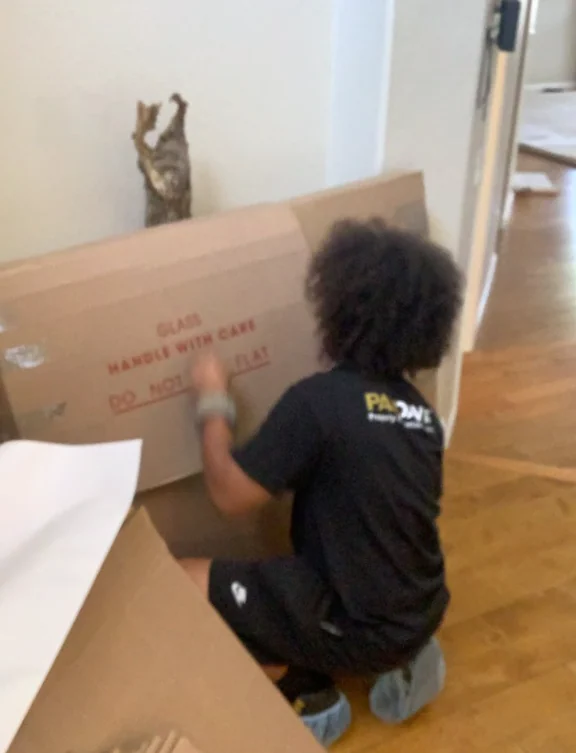
Ask how a proposed pack-out would be documented, where items would be taken and how questions about condition would be addressed. Clarify which belongings are included in the authorized work and which need additional evaluation. Do not move items through unsafe or contaminated areas simply to prepare for a visit.
Understand cleaning, storage and return decisions
Assessment helps determine which items may be suitable for cleaning and which need another option. Material, construction, condition and the type of damage affect the decision. Ask what the proposed work involves and how the team will communicate items that cannot be restored. No cleaning process makes every damaged item recoverable.
Discuss storage and return arrangements as part of the scope. A cleaned item may not be ready to return if the room where it belongs still needs repair. Ask who will coordinate access, how items will be identified and what condition information will accompany them. Confirm any schedule directly rather than relying on a fixed turnaround promise.
Coordinate contents records with your claim
If you are making an insurance claim, ask the carrier what inventory, photographs and receipts it requires. Keep restoration estimates and item records together. The insurer determines coverage and payment under the policy; the cleaning team does not decide whether a particular belonging or service is covered.
Discuss disposal and replacement documentation with the carrier when safe before discarding damaged items. Keep questions about value, deductibles and policy limits with the insurer. For practical questions about contents evaluation and handling, call our Phoenix office or use the existing inquiry form below. The office can discuss current availability and the next step for your property.