
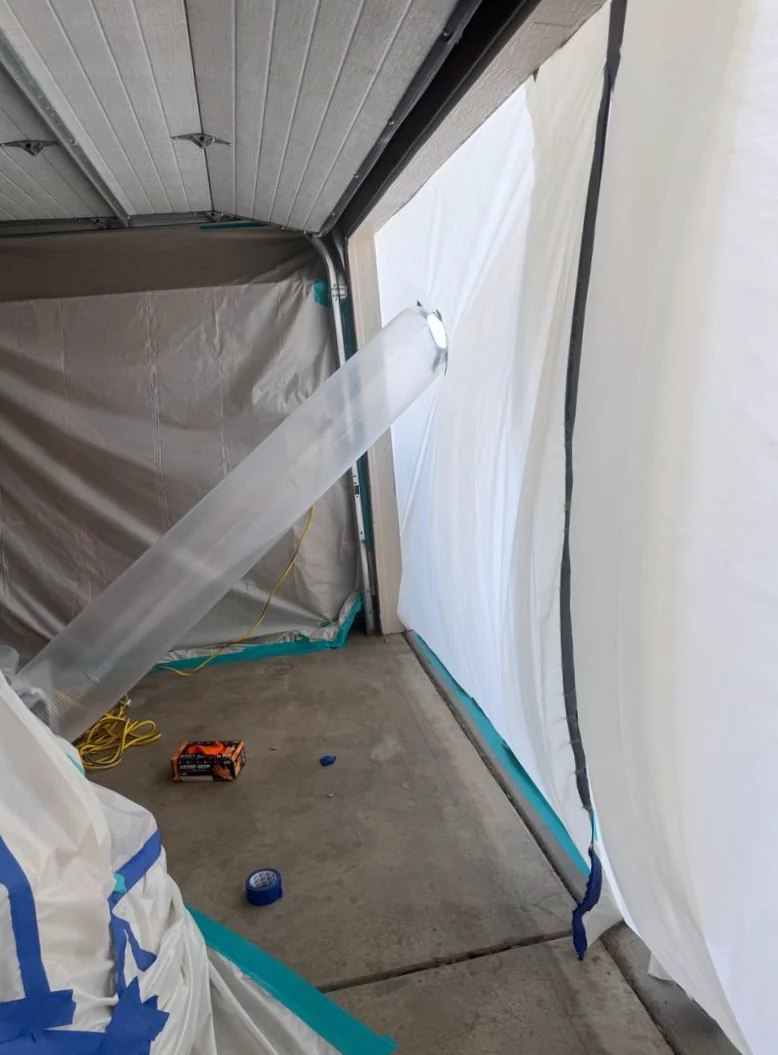
Get the right help before entering the area
If a situation involves immediate danger, injury or an active emergency, contact emergency services first. Follow instructions from responders and the property authority. Restoration personnel do not replace emergency responders, law enforcement or medical professionals. Avoid touching affected materials or entering restricted spaces to take photographs.
When calling, give a general description of the condition and the property address. Explain whether the scene has been released, who controls access and who can authorize work. You do not need to describe a person's private history in a website form. The office can explain what information is needed and the appropriate way to share it.
Confirm the scope for the specific situation
Sewage backups, trauma-related contamination, unattended death and some hoarding conditions may require specialized property cleanup planning. These descriptions are a starting point for a conversation, not a promise that every substance or circumstance is covered. Tell the office about known hazards and ask it to confirm service availability and any assessment requirements.
Unknown chemicals, suspected drug-production residue and other hazardous substances can require different expertise and approvals. Do not assume they can be treated like ordinary water damage or household cleaning. The proposed scope should identify what has been evaluated, what remains unknown and which questions need another qualified professional or responsible authority.
Discuss affected materials and boundaries
The team can discuss affected surfaces, building materials and contents after the conditions are assessed. Ask which areas are included, whether removal or cleaning is proposed and how access will be limited during work. Do not move items from an affected area into other rooms simply to clear space before the assessment.
A cleanup plan should explain the work being proposed without promising that every item can be restored or that all risks have been eliminated. Ask how completion of the agreed scope will be documented and whether additional evaluation is needed for the particular property. Confirm what the agreed work will address and what further evaluation, if any, is needed for the property.
Coordinate access with care for the people involved
For a rental or managed property, identify the owner or manager authorized to approve cleanup and the contact responsible for access. Ask how occupants will receive practical information about work areas and restrictions. Keep personal details limited to what is necessary for the service discussion.
For a business, explain operating hours and which spaces may be affected. A restoration schedule should account for the actual conditions and authorized scope. The team cannot determine from a website inquiry alone when the property can return to use. Ask the relevant professionals about any questions outside the restoration work.
Keep the cleanup and repair decisions clear
Keep estimates, authorizations and completion records together. If damaged building materials require replacement after cleanup, ask whether that work is included or requires a separate repair scope. Confirm who can approve changes and how newly discovered conditions will be communicated.
If insurance is involved, contact the carrier for coverage and documentation requirements. Coverage and payment are determined under the policy and the insurer's decision. A request for cleanup does not guarantee reimbursement. For non-urgent questions, use the existing inquiry form below; for an urgent property issue, call the Phoenix office.
Questions about this service
Who should I call for biohazard cleanup in Phoenix?
Call Paul Davis Restoration of Greater Phoenix at 602-278-8837 for local help with biohazard cleanup needs at homes, businesses or managed properties.
What kinds of situations may need biohazard cleanup?
Biohazard cleanup may be needed after sewage backups, trauma-related contamination, unattended death, hoarding conditions or other situations where affected materials require careful cleanup and restoration planning.
What should I do before cleanup begins?
Limit access to affected areas, avoid touching contaminated materials and share any known safety or access concerns when you call. If the situation involves an active emergency, contact the appropriate emergency services first.
Can Paul Davis help commercial properties?
Yes. Paul Davis Restoration of Greater Phoenix supports residential, commercial and managed property cleanup needs across the Phoenix metro area.
What other pages may help?
Related pages include Emergency Restoration, Sewage Cleanup, Commercial Restoration and Contact Paul Davis Greater Phoenix.